
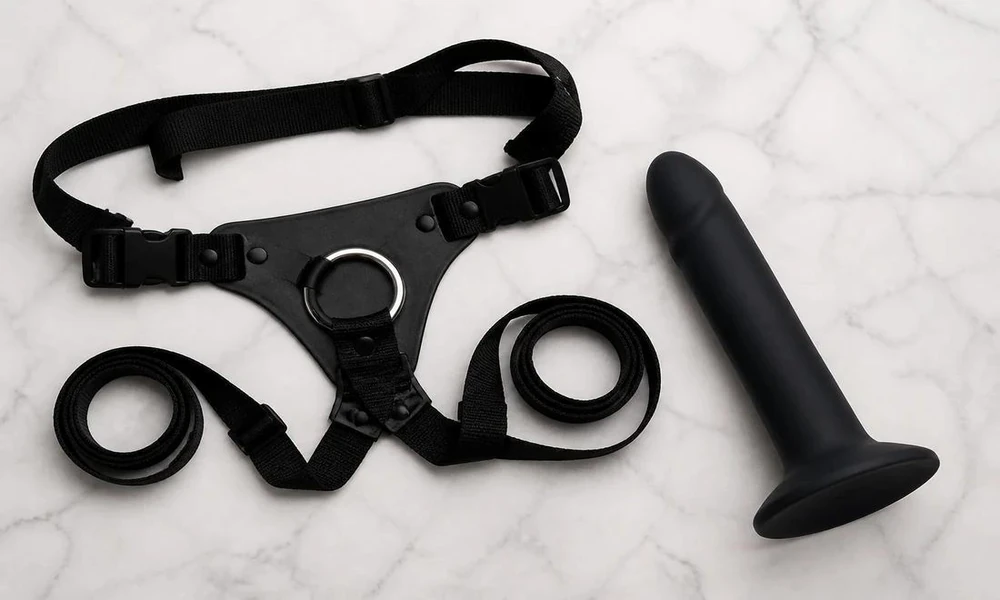
Choosing adult toys means thinking carefully about what they are made from. The material affects how the toy feels, how easily it cleans, and how safely it can be used against the body. Non-porous options that resist bacteria and do not leach unwanted substances form the practical starting point for most people.
Understanding body-safe materials helps you make clearer decisions whether you are looking at simple vibrators or strap on dildos. The right choice supports comfort, hygiene and longer use without unnecessary risk.
Why Material Matters
Adult toys come into direct contact with sensitive tissue. Porous surfaces can trap moisture, bacteria and residue even after washing. Non-porous materials create a smooth, sealed surface that is far easier to clean thoroughly. This difference is one of the most useful things to check before buying.
Look for clear labelling that names the material rather than relying on vague phrases such as “body-safe” alone. Specific names give more reliable information than marketing claims.
Common Body-Safe Materials
Several materials are widely regarded as suitable for internal or external use when they are properly made and finished.
Silicone
Solid, pure silicone is non-porous, flexible and available in a range of firmness levels. It warms quickly to body temperature and is straightforward to wash with mild soap and water. Many solid silicone toys without electronics can also be boiled for deeper cleaning if the maker confirms it is safe. Water-based lubricant is the usual pairing; silicone-based lubricant can damage the surface of some silicone toys, so a patch test on a hidden area is sensible if you wish to try it.
Glass
Borosilicate glass, the type used in laboratory ware and quality cookware, is non-porous and chemically stable. It offers a firm, smooth feel and holds temperature well, which some people enjoy for warm or cool play. Always check for chips or cracks before use and never subject it to sudden extreme temperature changes. Most lubricants work with glass.
Stainless Steel
Surgical-grade or high-quality stainless steel is another non-porous option. It is heavy, durable and easy to clean. Like glass, it retains temperature. It pairs with most lubricants and can be boiled when the design allows.
ABS Plastic
Hard ABS plastic is non-porous and commonly used for the outer shells of vibrators and similar toys. It is rigid, easy to wipe clean and generally compatible with both water-based and silicone lubricants. It should not be boiled, as heat can warp it.
Materials That Need Extra Caution
Porous materials such as TPE, TPR and traditional jelly or soft PVC feel soft and can be less expensive, yet they absorb fluids more readily. These surfaces are harder to clean completely and often have a shorter useful life. They may become sticky or develop odours over time. If you choose them, use a barrier such as a condom for internal play, clean carefully after every use, dry thoroughly and replace them when the surface changes.
Avoid anything with a strong chemical smell or an oily residue that does not wash away easily. Labels that say only “jelly”, “novelty material” or “silicone blend” without further detail deserve caution.
Practical Checks Before You Buy
A few simple questions make the decision clearer:
- Does the product page or packaging name the exact material?
- Is it described as 100 percent silicone, borosilicate glass or stainless steel rather than a blend?
- Are care instructions provided, including recommended lubricants and cleaning methods?
- Does the toy feel free of strong chemical odours when new?
For items that will be used with a harness, such as strap on dildos, a flared base and compatibility with the harness, the O-ring matters as much as the material itself. Non-porous silicone remains a frequent choice here because it cleans well and holds its shape.
Care and Longevity
Even the best material needs proper maintenance. Wash toys before and after each use with warm water and mild, unscented soap or a dedicated toy cleaner. Rinse thoroughly and allow them to dry completely before storage. Keep different materials separate if possible, and store them in a clean, dry place away from direct sunlight or extreme heat.
If a toy develops cracks, becomes sticky, changes colour or causes irritation, stop using it. Professional medical advice is worth seeking if irritation persists after switching materials or improving cleaning habits.
Closing Thoughts
Focusing on clearly named, non-porous materials such as pure silicone, borosilicate glass and stainless steel gives the most reliable foundation for safe and comfortable use. Checking labels, matching lubricant correctly and following simple cleaning steps make a noticeable difference in everyday practice.
When selecting strap on dildos or any other adult toy, prioritise material transparency and care instructions over price or appearance alone. A well-chosen piece that is easy to clean and free from unwanted additives supports better experiences over time.