
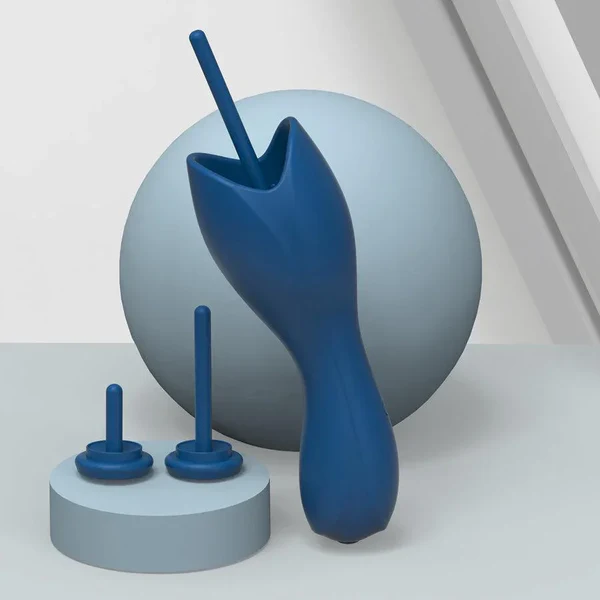
Exploring with a sounder requires preparation, knowledge, and a strong focus on safety. Because the urethra is delicate and sensitive, selecting the correct urethral sounder is not simply about size or appearance but about precision engineering and body-safe construction. Understanding how these instruments are designed and how to use them responsibly helps reduce risk and supports a controlled experience.
Material selection is the first priority. Surgical-grade stainless steel is widely preferred due to its non-porous surface and ability to be fully sterilized. A polished steel finish minimizes friction and allows smooth movement when paired with proper lubrication. Some options are made from medical-grade silicone, which offers flexibility, but rigid steel designs are often chosen for greater control and durability.
Understanding Shape and Structure
Different designs are created to suit varying comfort levels and anatomical needs. Common variations include:
- Straight styles for uniform width
- Curved options that follow natural internal contours
- Double-ended pieces with two different diameters
- Graduated sets for step-by-step dilation
Choosing the right diameter is critical. Beginners should always start with the smallest size available and progress slowly over time. Patience is essential, as moving too quickly can cause discomfort or injury.
Surface Finish and Craftsmanship
Quality craftsmanship significantly impacts safety. A well-made urethral sounder should have:
- A seamless, mirror-polished surface
- Smooth, rounded tips
- Clearly indicated sizing measurements
- No sharp edges or visible weld marks
These features ensure the instrument glides smoothly when adequate lubrication is used. Any visible imperfections should be avoided, as they can increase irritation risk.
Preparation and Technique
Preparation plays a major role in safe use. Before beginning:
- Sterilize the instrument thoroughly.
- Wash your hands and maintain a clean environment.
- Use a sterile, water-based lubricant appropriate for urethral application.
- Insert slowly and gently, never applying force.
Midway through the process, relaxation becomes especially important. If resistance or sharp discomfort occurs, stop immediately. The experience should remain gradual and controlled, never rushed.
Cleaning and Storage Practices
After use, wash thoroughly with warm water and antibacterial soap or follow recommended sterilization guidelines for stainless steel. Allow the instrument to dry completely before storing it in a protective pouch or case. Proper storage helps preserve the polished finish and maintain hygiene between uses.
Responsible Exploration
Using this type of instrument is considered advanced and should only be approached with education and caution. Careful size selection, strict hygiene standards, and patient progression are non-negotiable. When safety remains the priority and quality materials are chosen, exploration can remain controlled and precise while minimizing potential risks.